How to Make Salsa Verde That’s Fresh and Zesty
There’s something magical about a sauce that instantly makes everything taste brighter, bolder, and more alive. Salsa verde does exactly that. It’s tangy, herby, slightly spicy, and unbelievably fresh — the kind of condiment you’ll find yourself spooning onto everything. Tacos, grilled chicken, roasted vegetables, eggs… even plain tortilla chips suddenly feel exciting.
The best part? You can make restaurant-quality salsa verde at home in about 15 minutes with simple ingredients.
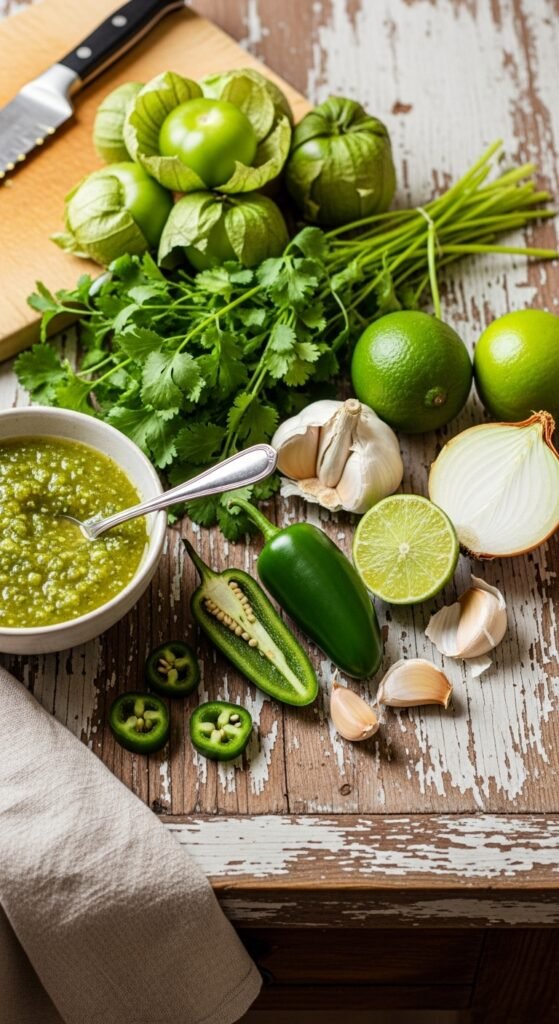
Let’s walk through how to make a truly fresh and zesty salsa verde, step by step.
Understanding What Makes Salsa Verde Special
Salsa verde literally means “green sauce,” but this classic Mexican-style version is much more than blended greens. Its signature flavor comes from tomatillos — small, green, husk-covered fruits that look like tomatoes but taste brighter and more tart.
When balanced with herbs, citrus, and heat, tomatillos create a sauce that’s:
- Tangy
- Slightly smoky
- Bright and herbaceous
- Perfectly balanced between savory and fresh
Think of salsa verde as the green cousin to pico de gallo — but saucier, smoother, and more versatile.
Ingredients You’ll Need
Simple ingredients are the key to great salsa verde. Freshness matters here, so choose produce that looks vibrant and firm.
Here’s your base lineup:
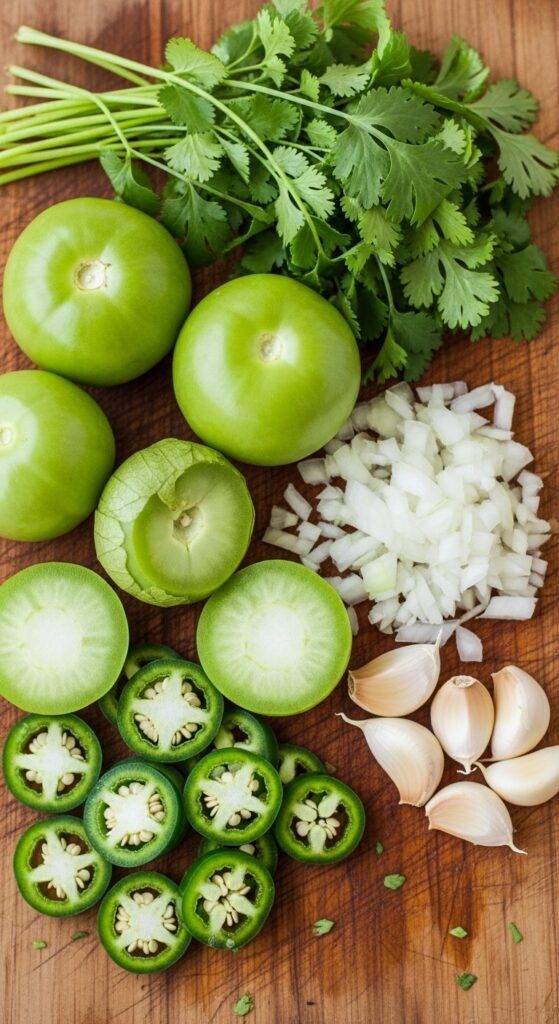
- Tomatillos (about 1 pound)
- Jalapeño or serrano peppers
- White onion
- Garlic cloves
- Fresh cilantro
- Lime juice
- Salt
Optional but delicious additions:
- Olive oil (for richness)
- Cumin (for warmth)
- A pinch of sugar (if tomatillos are very tart)
Ingredient Tips
- Serrano peppers are hotter than jalapeños. Choose based on your heat tolerance.
- Remove pepper seeds for milder salsa.
- Use fresh lime juice, not bottled — it makes a big difference.
Step 1: Cook the Tomatillos and Peppers
Cooking the tomatillos softens them and deepens their flavor. You have two great options: boiling or roasting.
Option A: Boiling (Classic & Bright)
- Remove husks from tomatillos and rinse well.
- Add tomatillos and peppers to a pot of water.
- Bring to a boil and cook 5–7 minutes, until softened and slightly dull in color.
- Drain well.
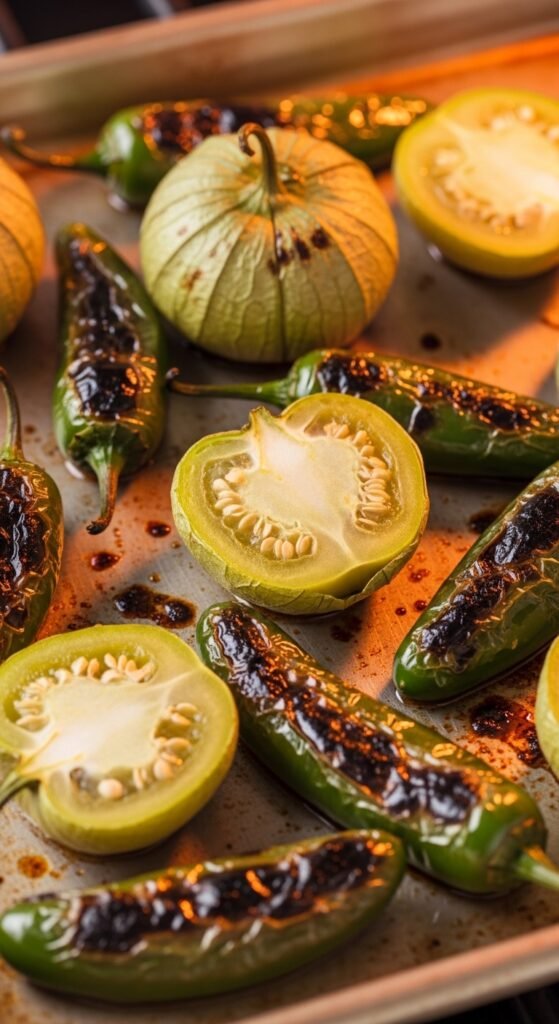
Option B: Roasting (Smoky & Rich)
- Place tomatillos and peppers on a baking sheet.
- Broil or roast at high heat until blistered and lightly charred.
- Let cool slightly.
Which Should You Choose?
- Boiling = brighter, more traditional flavor
- Roasting = deeper, slightly smoky flavor
Both are excellent — it just depends on your mood.
Step 2: Blend Everything Together
Now comes the fun part.
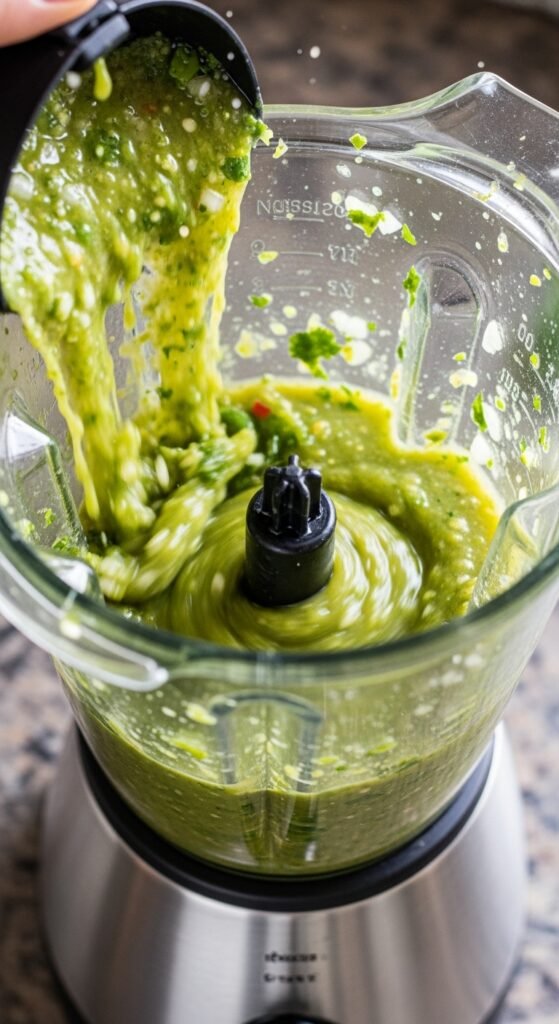
Add to a blender or food processor:
- Cooked tomatillos
- Peppers
- Onion (roughly chopped)
- Garlic
- Cilantro
- Lime juice
- Salt
Blend until mostly smooth, leaving a little texture if you like.
Taste and adjust:
- More salt?
- More lime?
- Want it spicier? Add another pepper.
If the salsa is too thick, add a tablespoon or two of water until it reaches your desired consistency.
Step 3: Fine-Tune the Flavor
This is where good salsa becomes great.
Try these tweaks:
- Add a drizzle of olive oil for richness
- Sprinkle in a pinch of cumin for warmth
- Add a tiny pinch of sugar if overly tart
- More cilantro if you love herbiness
Give it one last blend and taste again.
The flavor should be:
- Tangy but balanced
- Fresh, not bitter
- Gently spicy
Step 4: Let It Rest
Fresh salsa verde improves after sitting for 10–20 minutes.
This short rest allows flavors to:
- Meld together
- Soften any sharp edges
- Become more cohesive
If possible, cover and refrigerate briefly before serving.
How to Use Salsa Verde
Once you taste this, you’ll start looking for excuses to use it.
Perfect on:
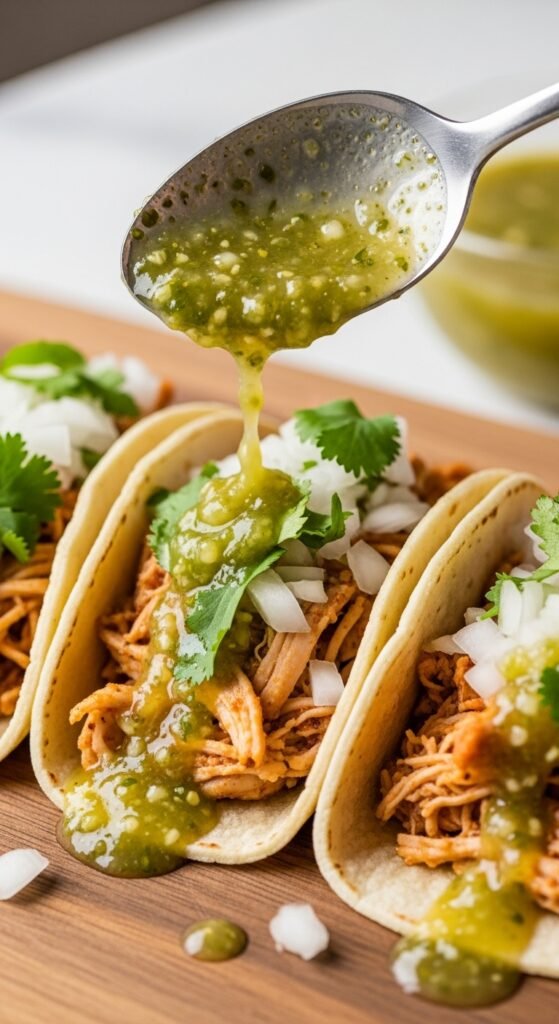
- Tacos, burritos, quesadillas
- Grilled chicken, steak, pork, or shrimp
- Roasted potatoes or vegetables
- Eggs, omelets, and breakfast burritos
- Rice bowls and grain salads
It also works as:
- A marinade
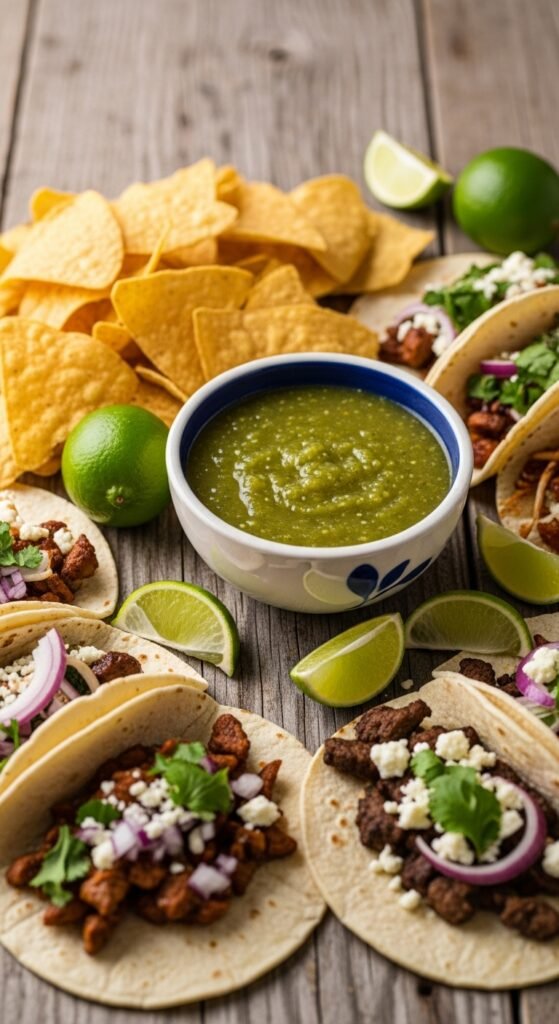
- A dipping sauce
- A drizzle for soups
Storage Tips
- Store in an airtight container in the refrigerator
- Best within 3–4 days
- Color may darken slightly — that’s normal
For longer storage, freeze in small portions for up to 2 months.
Common Mistakes to Avoid
- Skipping salt — it unlocks flavor
- Over-blending into thin soup
- Using old, dull cilantro
- Adding too much garlic
Small adjustments make a big difference.
Quick Flavor Variations
Want to experiment?
- Add avocado for creamy salsa verde
- Stir in Greek yogurt or sour cream for a sauce-style version
- Add roasted poblano for smoky depth
- Toss in fresh parsley alongside cilantro
Why You’ll Love Making This at Home
Homemade salsa verde:
- Tastes fresher than store-bought
- Contains no preservatives
- Costs less
- Takes minimal time
Plus, once you master the base recipe, you can customize endlessly.
Final Takeaway
Fresh, zesty salsa verde is one of those small kitchen skills that pays off in a big way. With just a handful of ingredients and a few minutes, you can create a sauce that transforms everyday meals into something special.