
If you love thick yogurt, creamy spreads, and recipes that feel a little magical for how simple they are—welcome. Labneh is one of those foods that looks fancy, tastes luxurious, and yet requires almost no effort. Just yogurt, salt, time… and a little patience.
The result? A rich, tangy, ultra-creamy Middle Eastern yogurt cheese that’s perfect for breakfast, mezze boards, or late-night snacking straight from the fridge (no judgment).

Let’s make it.
What Is Labneh, Exactly?
Labneh is strained yogurt. That’s it. But once the liquid (whey) drains out, what’s left transforms into something thicker, richer, and more spreadable than Greek yogurt—almost like cream cheese, but fresher and brighter.
You’ll often find labneh:
- Spread on warm pita
- Drizzled with olive oil and spices
- Rolled into balls and preserved in oil
- Served as part of a mezze platter
And the best part? You don’t need any special tools or cooking skills to make it at home.
Ingredients You’ll Need (That’s Literally It)
You only need two ingredients, which is part of labneh’s charm.
- Full-fat plain yogurt
- Use the best-quality yogurt you can find
- Avoid flavored or sweetened yogurt
- Use the best-quality yogurt you can find
- Salt
- Fine sea salt works best
- Fine sea salt works best
Optional (for serving later):
- Olive oil
- Za’atar, sumac, or chili flakes
- Fresh herbs (thyme, mint, parsley)
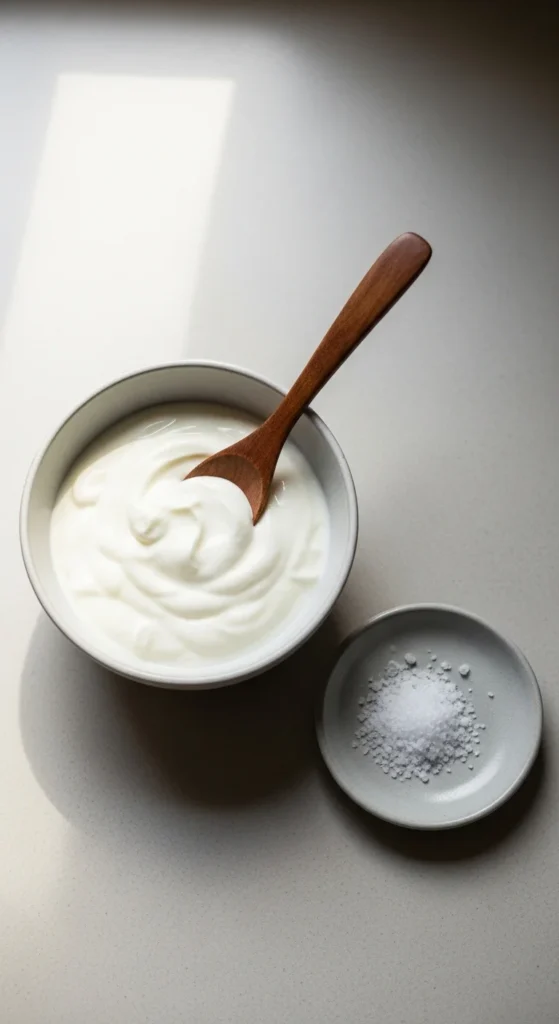
Pro tip: Full-fat yogurt is non-negotiable if you want that signature creamy texture. Low-fat versions will strain, but the result won’t be nearly as luxurious.
Step-by-Step: How to Make Labneh at Home
1. Salt the Yogurt
In a bowl, stir salt into your yogurt. A good rule of thumb:
- ½ teaspoon salt per 2 cups of yogurt
Mix gently until fully combined.
2. Set Up for Straining
Line a sieve or colander with:
- Cheesecloth
- A clean kitchen towel
- Or even a coffee filter in a pinch
Place the sieve over a deep bowl so the whey has room to drip.
3. Let Time Do the Work
Spoon the yogurt into the lined sieve, gather the cloth, and tie it gently.
- Refrigerate for 12–24 hours
- The longer it strains, the thicker it gets
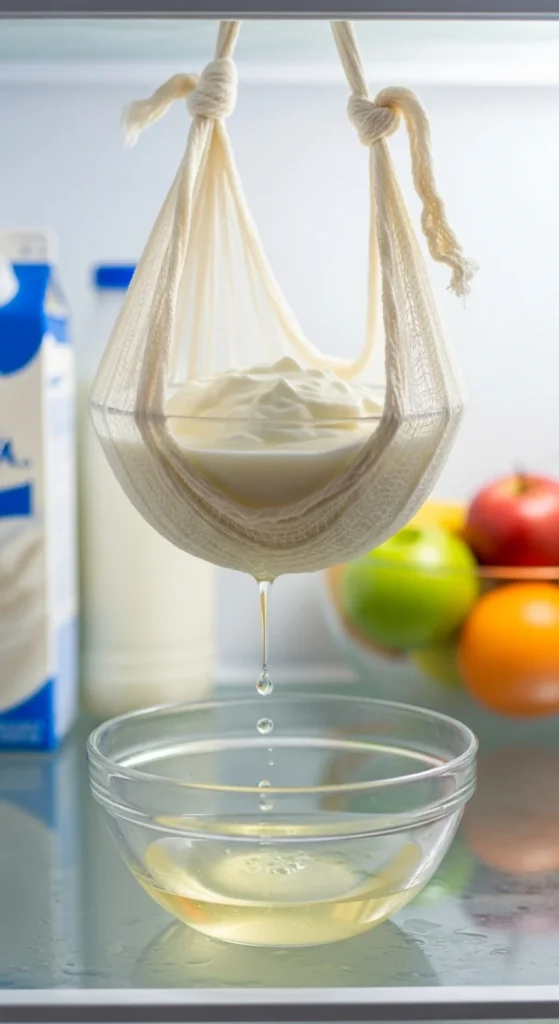
Texture guide:
- 12 hours → soft, spreadable
- 24 hours → thick, scoopable
- 36 hours → firm enough to roll into balls
Resist the urge to squeeze it. Gravity knows what it’s doing.
How to Get the Creamiest, Tangiest Results
Want labneh that tastes restaurant-level? Keep these tips in mind:
- Use fresh yogurt – sour yogurt gets too sour after straining
- Don’t over-salt – you can always add more later
- Strain in the fridge – room temperature can cause spoilage
- Save the whey – it’s great for baking, smoothies, or cooking grains
If your labneh tastes mild after straining, that’s normal. The tanginess deepens after a few hours in the fridge.
Serving Ideas You’ll Want to Try Immediately
This is where labneh really shines.
Classic ways to serve it:
- Spread in a shallow bowl
- Swirl the top with a spoon
- Drizzle generously with olive oil
- Sprinkle with za’atar or sumac
More creative ideas:
- Use it instead of cream cheese on toast
- Add roasted garlic or lemon zest
- Serve with cucumbers, olives, and warm flatbread
- Dollop onto roasted vegetables or grilled meats

Storing and Making It Ahead
Labneh keeps beautifully, which makes it perfect for meal prep.
- Store in an airtight container
- Refrigerate for up to 5–7 days
- For longer storage, roll into balls and submerge in olive oil
The flavor actually improves after a day or two, making it ideal for entertaining.
Final Takeaway
Labneh proves that some of the best foods are also the simplest. With just yogurt, salt, and time, you get a creamy, tangy spread that elevates everything it touches—from breakfast toast to full mezze spreads.
Leave a Reply