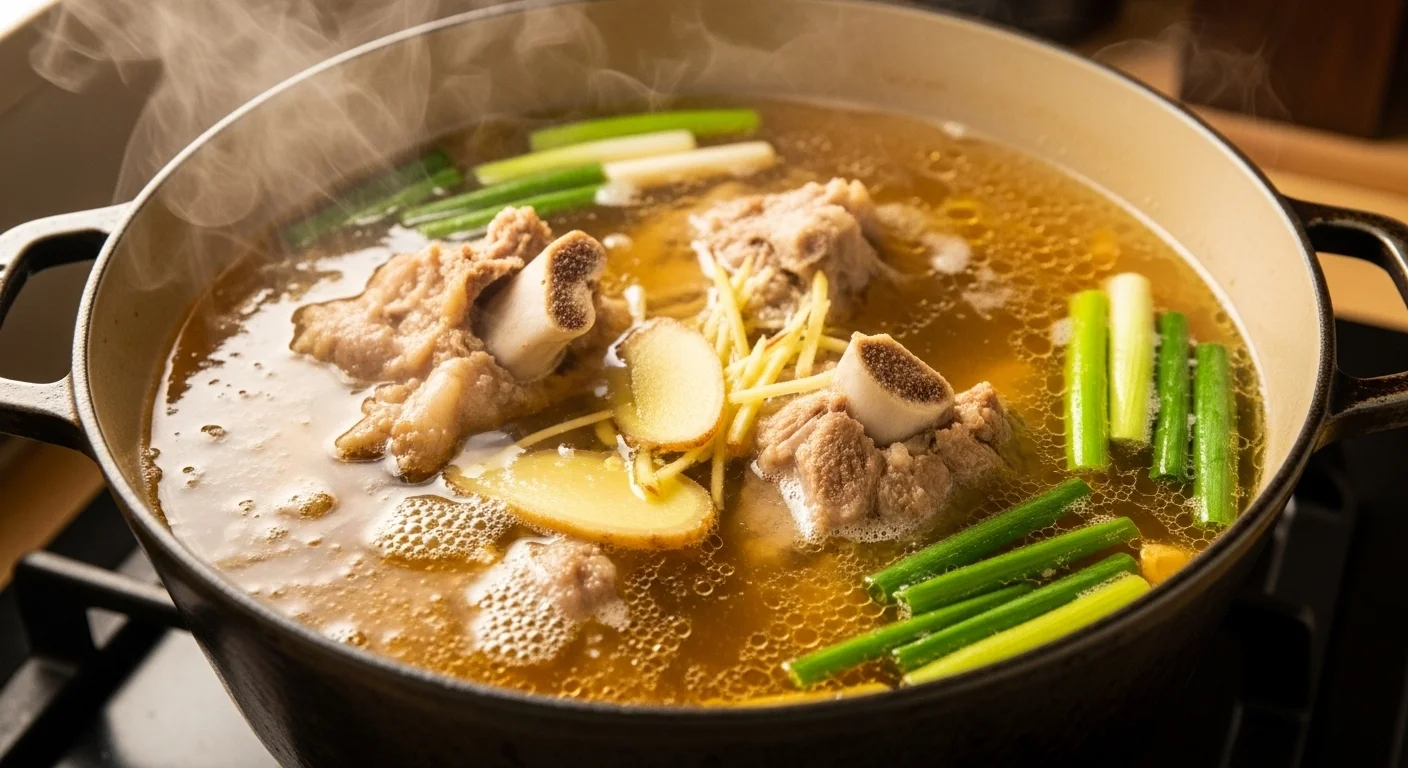
How to Make Ramen Broth That’s Rich and Flavorful
Nothing beats a steaming bowl of ramen with a broth so rich and flavorful it warms your soul. Whether you’re craving a cozy night in or aiming to impress your friends, mastering a homemade ramen broth is the key to elevating your noodle game. Forget store-bought packets—this guide will walk you through creating a restaurant-worthy broth that’s packed with umami and depth. Let’s dive into the art of crafting a ramen broth that’s pure comfort in a bowl!
Step 1: Choose Your Broth Style
Ramen broth comes in several styles, each with its own vibe. For this guide, we’ll focus on tonkotsu (pork bone broth) for its creamy, rich texture, but you can adapt these steps for other styles like shoyu (soy sauce-based) or miso. Here’s a quick rundown:
- Tonkotsu: Creamy, porky, and intense from long-simmered bones.
- Shoyu: Clear, savory, with a soy sauce kick.
- Miso: Bold and tangy, with fermented miso paste.
Pro Tip: Tonkotsu takes time (8–12 hours), but it’s worth it for that velvety depth. For a quicker option, try a shoyu or miso broth (2–3 hours).
Step 2: Gather Your Ingredients
A rich broth starts with quality ingredients. For a tonkotsu-style broth (serves 4–6), you’ll need:
- Bones: 3–4 lbs pork bones (femur or neck bones work best; ask your butcher to cut them into smaller pieces).
- Aromatics: 1 large onion (halved), 4–5 garlic cloves, 2-inch piece of ginger (sliced), 2–3 green onions (white parts only).
- Extras: 1 cup dried shiitake mushrooms (for umami), 1 sheet kombu (dried kelp), 2 tbsp soy sauce, 1 tbsp sake or mirin (optional).
- Water: 4–5 quarts to start.
Flavor Hack: Roast the bones at 400°F for 30 minutes before simmering to deepen the flavor.

Step 3: Prep and Blanch the Bones
To achieve a clean, creamy broth, blanching is key. Place pork bones in a large pot, cover with cold water, and bring to a boil. Boil for 10 minutes, skimming off any foam or impurities. Drain, rinse the bones under cold water, and scrub off any residue.
Pro Tip: This step removes blood and impurities, ensuring a clear, non-cloudy broth.
Step 4: Simmer for Depth
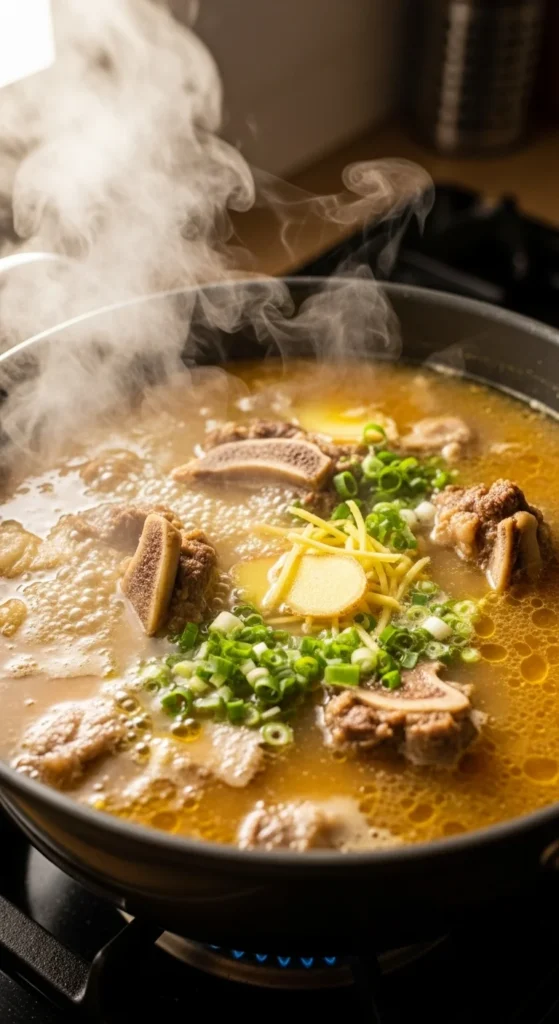
Add the blanched bones to a clean pot with 4–5 quarts of fresh water. Bring to a boil, then reduce to a low simmer. Add onion, garlic, ginger, green onions, shiitake mushrooms, and kombu. Simmer gently for 8–12 hours, stirring occasionally and skimming foam as needed. Keep the water level consistent by adding more if it reduces too much.
- Texture Tip: For tonkotsu’s signature creaminess, maintain a rolling simmer to emulsify the fat.
- Time-Saver: Use a pressure cooker to cut cooking time to 2–3 hours for similar results.
Step 5: Strain and Season
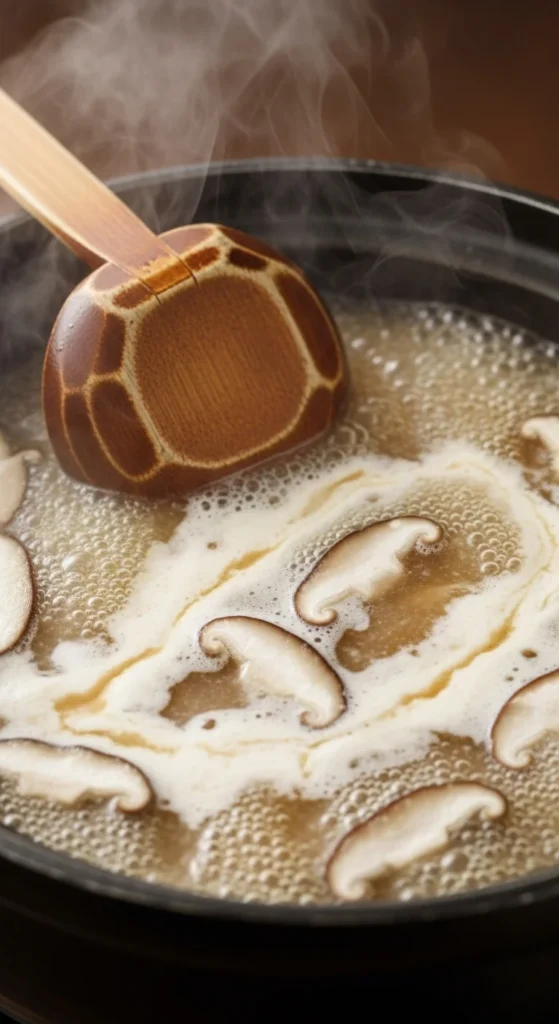
Once the broth is rich and opaque, strain it through a fine-mesh sieve into a clean pot, discarding solids. Skim excess fat if desired, but leave some for flavor. Season with 2 tablespoons of soy sauce, 1 tablespoon of sake or mirin (if using), and salt to taste. Adjust for your preferred intensity.
Flavor Boost: For a miso ramen twist, whisk in 2–3 tablespoons of white or red miso paste after straining.
Step 6: Serve with Flair
Your broth is ready to shine! Cook fresh or dried ramen noodles according to the package, then divide into bowls. Ladle the hot broth over the noodles and add toppings like sliced pork belly, soft-boiled eggs, nori, green onions, and a drizzle of chili oil for heat.
Presentation Tip: Serve in deep, wide bowls to showcase the broth’s glossy sheen and colorful toppings.

Make It Your Own
Customize your broth to suit your taste. Add a splash of sesame oil for nutty richness, toss in chili paste for a spicy kick, or experiment with toppings like wood ear mushrooms or bamboo shoots. For a lighter broth, blend in some chicken stock or dashi.
Your Ramen Masterpiece Awaits!
With a little patience and love, you’ve crafted a ramen broth that rivals your favorite noodle shop. This rich, soul-warming dish is perfect for cozy nights or impressing guests with your culinary skills. Save this recipe for your next ramen craving, and slurp away with pride!