How to Make Sauerkraut That’s Tangy and Crunchy
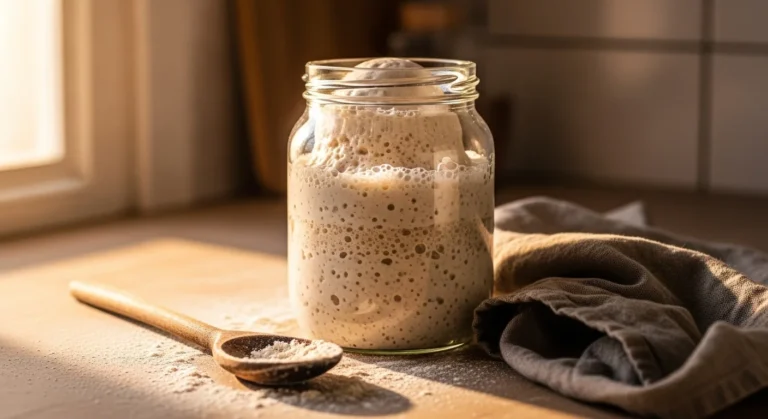
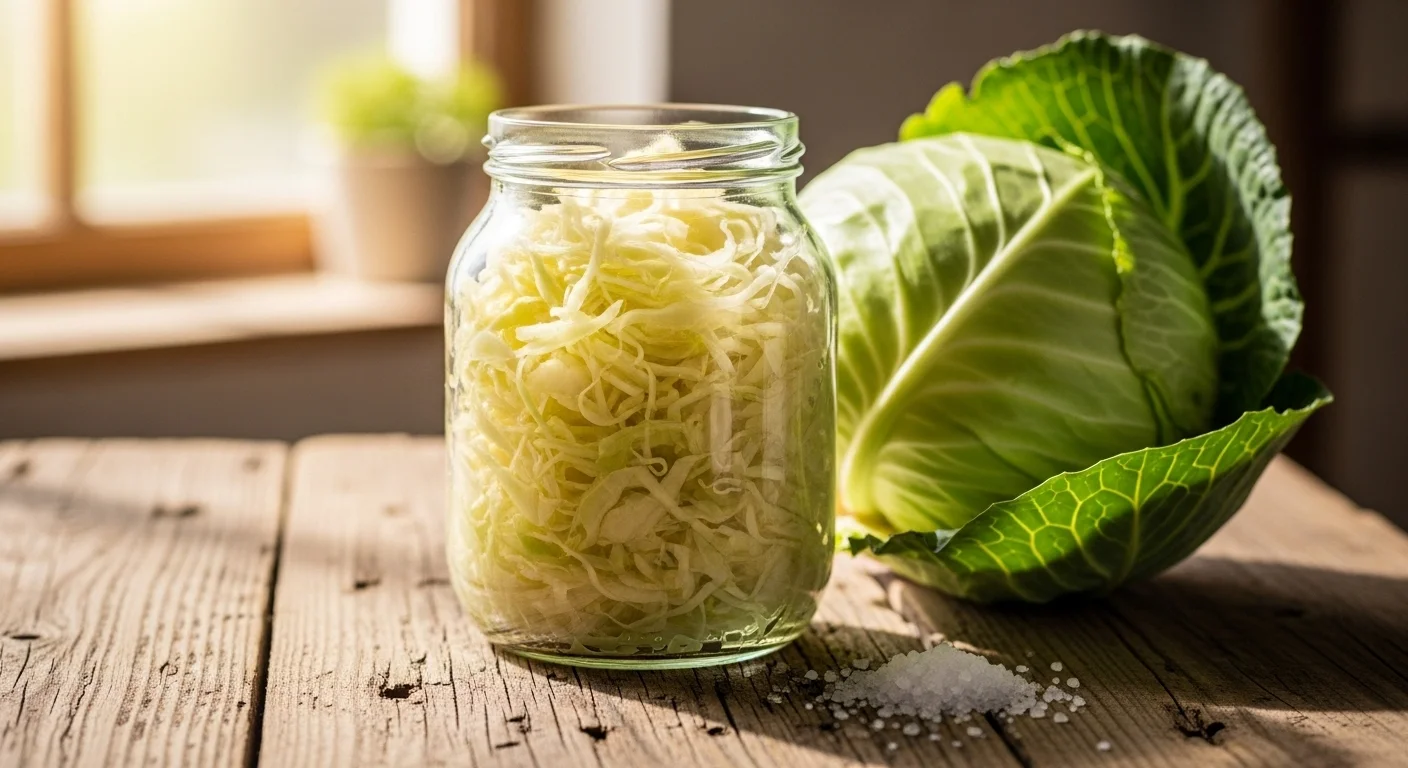
Picture this: a jar of vibrant, tangy sauerkraut, fizzing with flavor, ready to elevate your sandwiches, salads, or even a cozy dinner plate. Homemade sauerkraut is not only delicious but also packed with gut-friendly probiotics. Plus, it’s surprisingly simple to make! With just a few ingredients and a bit of patience, you’ll have crunchy, tangy goodness that store-bought versions can’t touch. Ready to dive into the world of fermentation? Let’s get started!
Why Make Your Own Sauerkraut?
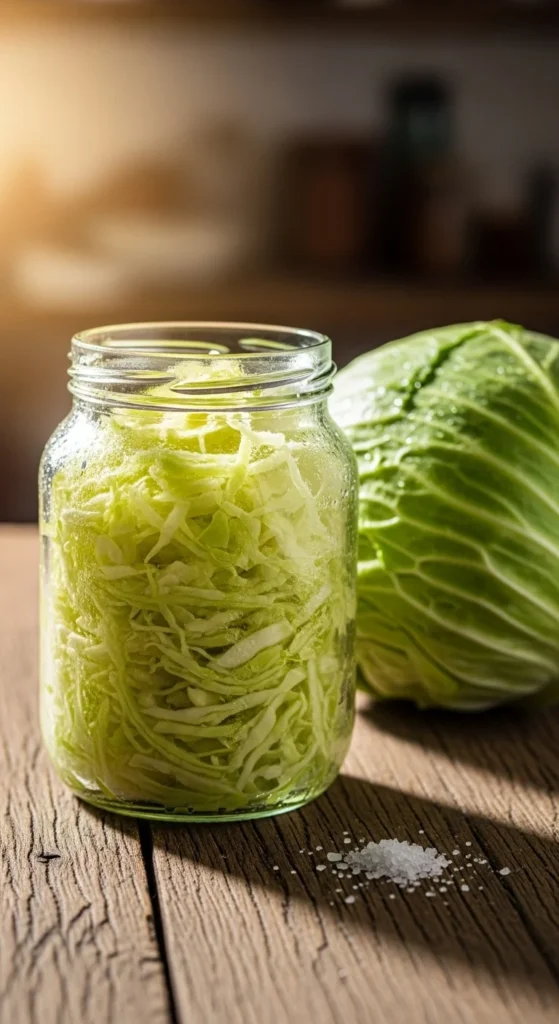
Store-bought sauerkraut often lacks the crunch and zing of homemade. Plus, many commercial versions are pasteurized, killing off the beneficial bacteria that make sauerkraut a probiotic powerhouse. When you make it yourself, you control the flavor, texture, and fermentation time. It’s budget-friendly, eco-friendly, and oh-so-satisfying to say, “I made that!”
Here’s why you’ll love this project:
- Minimal ingredients: Just cabbage and salt (plus optional spices).
- Customizable: Add flavors like caraway seeds or garlic.
- Fun and rewarding: Watching your kraut bubble and transform is like a science experiment you can eat!
What You’ll Need
Before we jump into the process, gather your supplies. You don’t need fancy equipment—just a few basics to set you up for success.
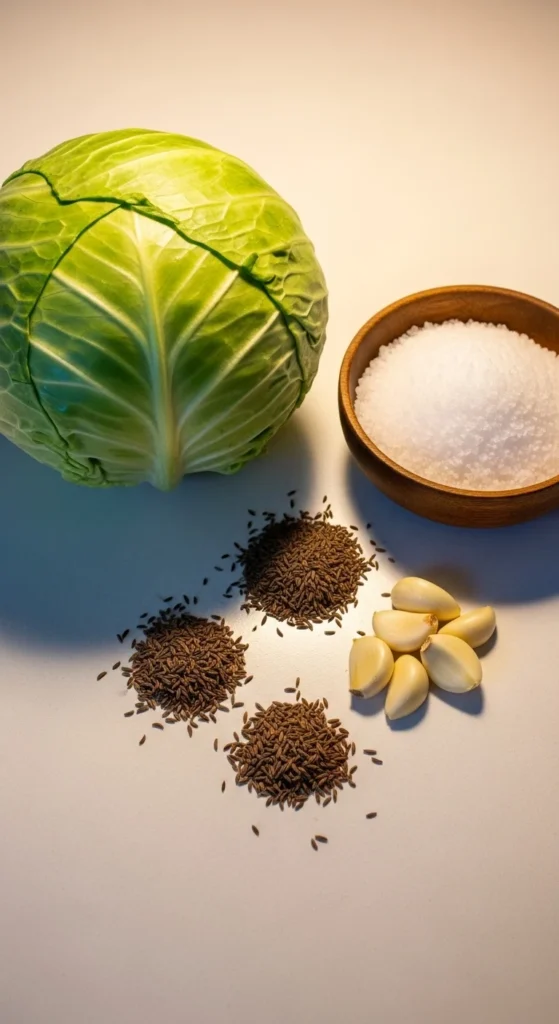
- Fresh cabbage: 1 medium head (about 2–3 pounds), green or purple works great.
- Sea salt: 1–2 tablespoons (non-iodized, no additives).
- A large mixing bowl: For massaging the cabbage.
- A clean glass jar: A 1-quart mason jar is perfect.
- A weight: A small glass or ceramic weight to keep the cabbage submerged.
- Optional flavorings: Caraway seeds, garlic, or juniper berries for extra pizzazz.
Step 1: Prep Your Cabbage
Start with a fresh, firm head of cabbage. Remove any wilted outer leaves and give it a quick rinse. Slice the cabbage in half, remove the core, and shred it finely with a knife or mandoline. Thin slices ensure even fermentation and a pleasant texture.
Place the shredded cabbage in a large mixing bowl. Sprinkle 1–2 tablespoons of sea salt over the cabbage (use 1.5 teaspoons per pound of cabbage for a foolproof ratio). The salt draws out moisture and creates the brine that ferments your kraut.
Pro Tip: Taste a piece of cabbage after adding salt. It should taste slightly salty but not overwhelming. Adjust if needed.
Step 2: Massage and Pack
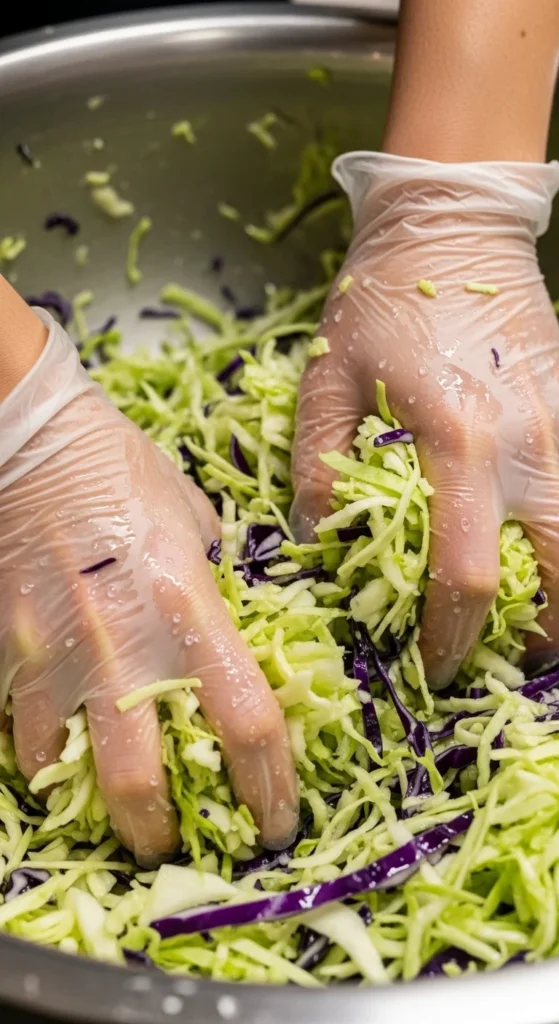
Now comes the fun part—massaging! Use clean hands to knead and squeeze the cabbage for 5–10 minutes. You’ll notice it softening and releasing liquid. This natural brine is key to fermentation, so keep going until the cabbage feels wet and limp.
Pack the cabbage tightly into your clean glass jar, pressing it down with your fist or a spoon to eliminate air pockets. Pour any liquid from the bowl into the jar. The cabbage should be submerged in its own brine. If it’s not, mix 1 teaspoon of salt with 1 cup of water and add just enough to cover.
Step 3: Weigh It Down and Wait
Place a weight (like a small glass or a clean stone) on top of the cabbage to keep it submerged. Cover the jar with a clean cloth or a loose lid to allow gases to escape while keeping dust out. Store it at room temperature (65–75°F) away from direct sunlight.
Fermentation takes 1–4 weeks, depending on your taste preference. Check daily to ensure the cabbage stays submerged, and skim off any foam or bubbles that form on the surface. Taste it after a week—when it’s tangy enough for you, it’s ready!
Flavor Tip: For a twist, add 1 teaspoon of caraway seeds or a smashed garlic clove before fermenting.
Step 4: Store and Enjoy
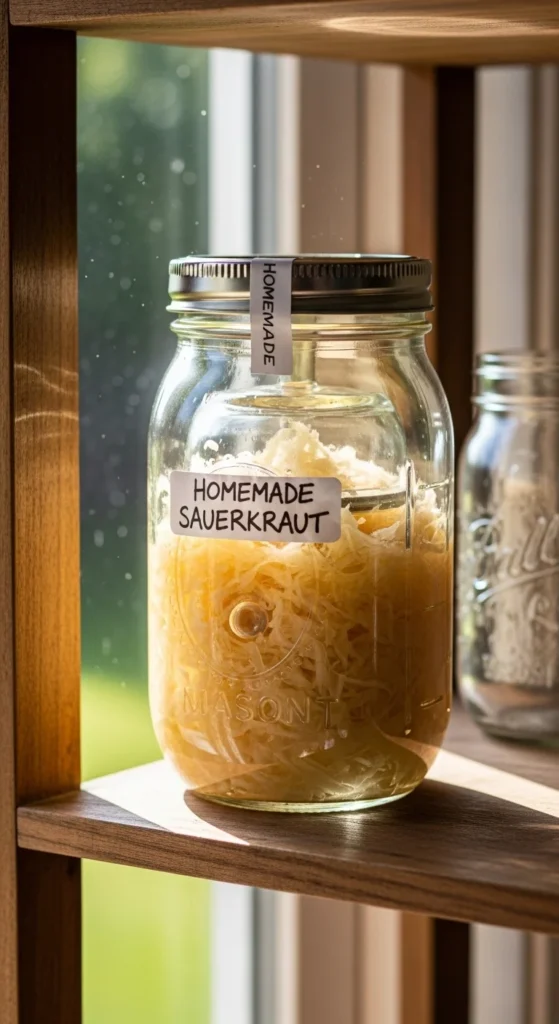
Once your sauerkraut reaches your desired tanginess, screw on a tight lid and pop it in the fridge. Cold storage slows fermentation, keeping it crunchy and flavorful for months. Serve it as a side, pile it on a Reuben sandwich, or toss it into salads for a zesty kick.
Serving Ideas:
- Top hot dogs or bratwurst for a classic combo.
- Mix into a grain bowl with quinoa and roasted veggies.
- Pair with creamy avocado toast for a tangy contrast.

Troubleshooting Tips
New to fermenting? Don’t worry—here are some common hiccups and how to fix them:
- Mold on top? If it’s white and fuzzy, scrape it off and ensure the cabbage is submerged. If it’s colorful or smells bad, toss the batch.
- Not tangy enough? Let it ferment longer, tasting every few days.
- Too salty? Rinse the sauerkraut lightly before serving.
Why You’ll Keep Making Sauerkraut
Homemade sauerkraut is more than a condiment—it’s a labor of love that connects you to age-old traditions. The crunch, the tang, the fizz of fermentation—it’s a sensory delight that elevates any meal. Plus, it’s a budget-friendly way to boost your gut health and impress your friends with your DIY skills.